
Ultimate Iceland Travel Guide 2026
Iceland is one of the world’s most breathtaking destinations, offering spectacular waterfalls, glaciers, volcanoes, black sand beaches, geothermal lagoons, and the magical Northern Lights. Whether you’re planning your first visit or returning to discover more, this Ultimate Iceland Travel Guide 2026 will help you plan the perfect trip with practical tips, estimated budgets, suggested itineraries, and must-see attractions.
Why Visit Iceland in 2026?
Iceland continues to be one of Europe’s top travel destinations because of its incredible natural beauty and safe, welcoming environment. Every season offers a different experience:
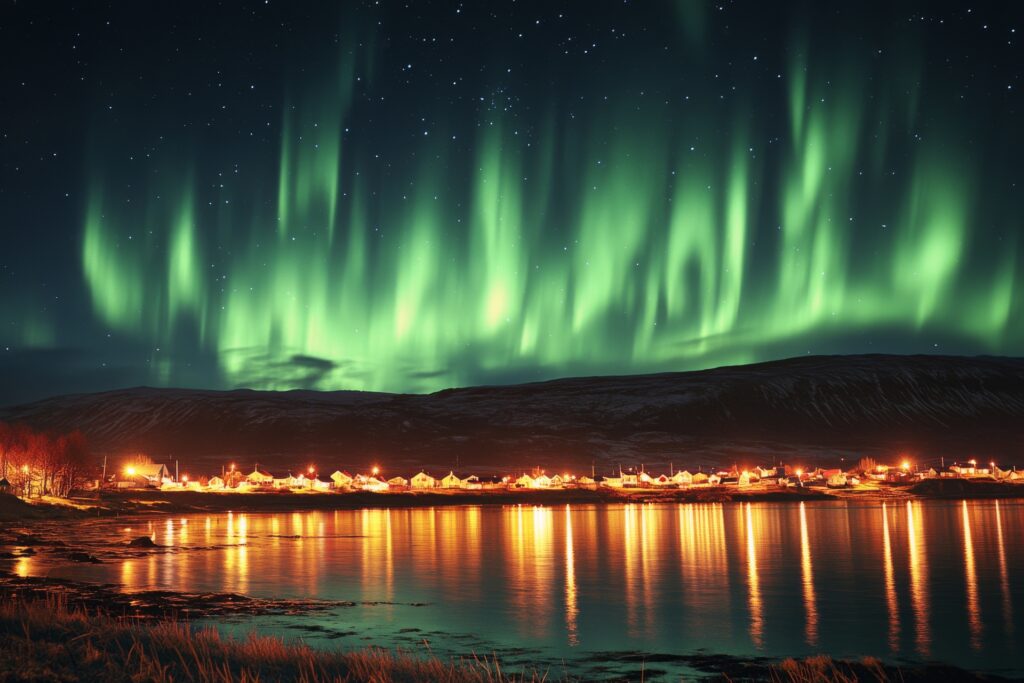
- Witness the Northern Lights during winter.
- Enjoy the Midnight Sun in summer.
- Relax in world-famous geothermal lagoons.
- Drive the scenic Ring Road.
- Explore glaciers, volcanoes, waterfalls, and lava fields.
- Experience one of the safest countries in the world.
Best Time to Visit Iceland
Summer (June – August)
Perfect for:
- Ring Road road trips
- Hiking
- Puffin watching
- Midnight Sun
Average Temperature:
10°C – 18°C
Winter (November – March)
Perfect for:
- Northern Lights
- Ice caves
- Snow adventures
- Glacier hikes
Average Temperature:
-2°C – 5°C
Shoulder Seasons (April-May & September-October)
Ideal for travelers looking for fewer crowds and better hotel prices while still enjoying beautiful scenery.
Top Places to Visit in Iceland
1. Reykjavik
The vibrant capital city is the perfect starting point for your Iceland adventure.
Highlights:
- Hallgrímskirkja Church
- Harpa Concert Hall
- Sun Voyager
- Old Harbour
- Local cafés and restaurants
2. Golden Circle
One of Iceland’s most famous sightseeing routes.
Must Visit:
- Thingvellir National Park
- Geysir Geothermal Area
- Gullfoss Waterfall
3. South Coast
Known for dramatic landscapes and waterfalls.
Top Attractions:
- Seljalandsfoss
- Skógafoss
- Reynisfjara Black Sand Beach
- Dyrhólaey
4. Jökulsárlón Glacier Lagoon
One of Iceland’s most iconic destinations where floating icebergs create unforgettable scenery.
Don’t Miss:
- Diamond Beach
- Boat tours
- Glacier views
5. Blue Lagoon
Relax in Iceland’s famous geothermal spa with mineral-rich waters surrounded by lava fields.
6. Snæfellsnes Peninsula
Often called “Iceland in Miniature” because it features waterfalls, mountains, lava fields, black beaches, and charming fishing villages.
7. North Iceland
Perfect for travelers wanting fewer crowds.
Highlights include:
- Akureyri
- Goðafoss Waterfall
- Lake Mývatn
- Húsavík Whale Watching
Suggested Iceland Itinerary
5-Day Itinerary
Day 1
- Arrive in Reykjavik
- Blue Lagoon
- Explore downtown
Day 2
- Golden Circle Tour
Day 3
- South Coast
- Black Sand Beach
- Vik
Day 4
- Glacier Lagoon
- Diamond Beach
Day 5
- Reykjavik Shopping
- Departure
7-Day Ring Road Itinerary
Day 1 – Reykjavik
Day 2 – Golden Circle
Day 3 – South Coast
Day 4 – Glacier Lagoon
Day 5 – East Fjords
Day 6 – North Iceland
Day 7 – Snæfellsnes Peninsula
Iceland Travel Budget (2026)
ation in Iceland
The best ways to explore Iceland include:
- Renting a car for maximum flexibility.
- Joining guided day tours.
- Using domestic flights for longer distances.
- Taking buses for budget-friendly travel.
Driving the Ring Road is one of the best ways to experience Iceland’s incredible scenery.
What to Pack
Essentials include:
- Waterproof jacket
- Thermal clothing
- Hiking boots
- Gloves and hat
- Camera
- Universal travel adapter
- Reusable water bottle
- Swimsuit for hot springs
Iceland Travel Tips
- Book accommodation early, especially during summer.
- Check weather forecasts daily.
- Keep fuel levels topped up in remote areas.
- Carry snacks and water for long drives.
- Respect nature and stay on marked trails.
- Credit cards are widely accepted, so cash is rarely needed.
Best Things to Do
- Chase the Northern Lights
- Relax in geothermal lagoons
- Visit waterfalls
- Explore glaciers
- Go whale watching
- Walk on black sand beaches
- Explore ice caves (winter)
- Drive the Ring Road
- Visit volcanic landscapes
- Taste Icelandic cuisine
Where to Stay
Reykjavik
Best for first-time visitors and city attractions.
Vik
Ideal for South Coast adventures.
Höfn
Perfect for exploring Glacier Lagoon.
Akureyri
A great base for North Iceland.
Local Food to Try
- Icelandic Lamb
- Fresh Seafood
- Arctic Char
- Skyr
- Fish & Chips
- Cinnamon Rolls
- Hot Dogs (Pylsur)
Safety Tips
Iceland is one of the safest countries in the world, but visitors should:
- Follow weather alerts.
- Never ignore road closures.
- Stay away from dangerous ocean waves.
- Wear appropriate outdoor clothing.
- Purchase comprehensive travel insurance.
Frequently Asked Questions
How many days are enough for Iceland?
A 7–10 day trip allows you to explore the Ring Road comfortably, while 5 days is ideal for Reykjavik, the Golden Circle, and the South Coast.
Is Iceland expensive?
Yes, Iceland is one of Europe’s more expensive destinations. Planning ahead, booking accommodation early, and renting a car with friends can help reduce costs.
What is the best month to visit Iceland?
June to August is ideal for long daylight hours and road trips, while September to March is best for seeing the Northern Lights.
Do I need a car in Iceland?
A rental car is highly recommended if you want to explore beyond Reykjavik and travel at your own pace.
Can I see the Northern Lights in summer?
No. The Northern Lights are visible only during the darker months, typically from September to April.
Plan Your Iceland Adventure with Goicetrip
At Goicetrip, we specialize in unforgettable Iceland vacations. Whether you’re dreaming of chasing the Northern Lights, driving the famous Ring Road, relaxing in geothermal lagoons, or exploring glaciers and waterfalls, our expertly planned itineraries make your journey smooth and memorable. From customized holiday packages to travel guidance and local insights, we’re here to help you experience the very best of Iceland in 2026.
Ready to explore the Land of Fire and Ice? Contact Goicetrip today and start planning your perfect Iceland adventure.