
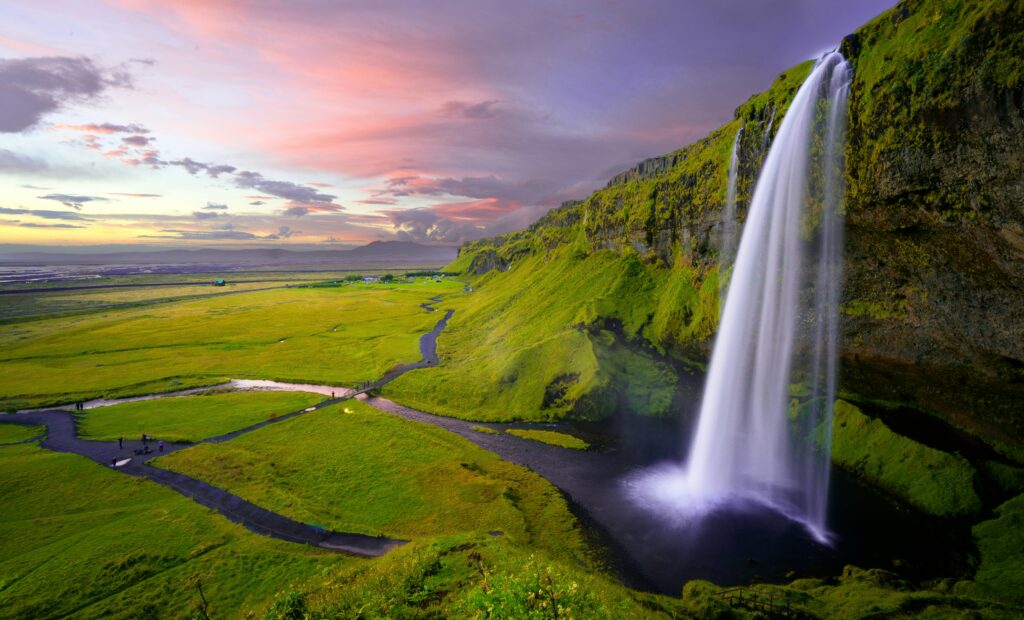
The South Coast of Iceland is one of the country’s most spectacular travel destinations, offering an incredible mix of waterfalls, glaciers, black sand beaches, volcanoes, charming villages, and breathtaking coastal landscapes. Whether you’re planning your first trip to Iceland or returning to explore more of its natural beauty, the South Coast promises unforgettable experiences.
This South Coast Iceland Travel Guide covers everything you need to know, including the top attractions, suggested itineraries, travel costs, best time to visit, and expert tips to help you plan the perfect adventure.
At Goicetrip, we create customized Iceland Vacation Packages that include South Coast tours, self-drive holidays, and guided experiences designed for every type of traveler.
Why Visit Iceland’s South Coast?
The South Coast is often considered the highlight of any Iceland itinerary because it combines the country’s most famous natural attractions within a relatively short driving distance from Reykjavik. In just two to three days, travelers can experience waterfalls, glaciers, icebergs, black beaches, lava fields, and picturesque coastal villages. The well-maintained roads and abundance of accommodation options make it an ideal destination for both first-time visitors and experienced road trippers.
Top Attractions on Iceland’s South Coast
1. Seljalandsfoss Waterfall
One of Iceland’s most famous waterfalls, Seljalandsfoss is unique because visitors can walk behind the cascading water for a completely different perspective. During sunset, the views become even more spectacular, making it one of the country’s best photography locations.
Highlights
-
- Walk behind the waterfall
-
- Beautiful sunset views
-
- Easy parking and walking trails
2. Skógafoss Waterfall
Just 30 minutes from Seljalandsfoss, Skógafoss is another iconic waterfall standing approximately 60 meters tall. On sunny days, mist from the waterfall often creates vibrant rainbows. Visitors can also climb the staircase beside the waterfall for breathtaking panoramic views.
Highlights
-
- Powerful waterfall
-
- Scenic viewpoint
-
- Excellent photography spot
3. Sólheimajökull Glacier
Sólheimajökull is one of Iceland’s most accessible glaciers and a popular destination for glacier hiking. Guided tours allow visitors to walk across ancient ice formations while learning about glacier formation and climate change.
Activities
-
- Glacier hiking
-
- Ice climbing
-
- Photography
4. Reynisfjara Black Sand Beach
Known worldwide for its dramatic black volcanic sand, towering basalt columns, and powerful Atlantic waves, Reynisfjara is one of Iceland’s most famous beaches. Offshore, the Reynisdrangar sea stacks rise dramatically from the ocean, creating one of Iceland’s most iconic landscapes.
Safety Tip: Never turn your back on the ocean. Sneaker waves can be extremely dangerous.
5. Dyrhólaey Peninsula
This scenic viewpoint offers panoramic views of black sand beaches, dramatic sea cliffs, and the famous rock arch extending into the Atlantic Ocean. During summer, visitors may also spot puffins nesting on the cliffs.
Best Time
May to August for puffin watching.
6. Vík í Mýrdal
The charming village of Vík is Iceland’s southernmost town and an excellent stop for lunch, accommodation, or fuel. Visitors can explore local cafés, souvenir shops, and enjoy beautiful coastal scenery.
7. Fjaðrárgljúfur Canyon
This stunning canyon, carved by glacial rivers over thousands of years, features steep moss-covered cliffs and winding walking trails. It has become increasingly popular thanks to its appearance in travel documentaries and music videos.
8. Skaftafell Nature Reserve
Located within Vatnajökull National Park, Skaftafell offers incredible hiking opportunities through glaciers, waterfalls, forests, and mountain landscapes. The hike to Svartifoss Waterfall, surrounded by black basalt columns, is one of Iceland’s most rewarding walks.
9. Jökulsárlón Glacier Lagoon
Often called Iceland’s crown jewel, Jökulsárlón Glacier Lagoon is filled with floating icebergs that have broken away from Europe’s largest glacier, Vatnajökull. Visitors can join boat tours or simply admire the peaceful scenery from the shore.
10. Diamond Beach
Located just across the road from Jökulsárlón, Diamond Beach is famous for crystal-clear icebergs that wash onto the black volcanic sand, creating one of Iceland’s most photogenic landscapes.
Suggested 3-Day South Coast Itinerary
Day 1: Reykjavik to Vík
-
- Seljalandsfoss
-
- Gljúfrabúi Waterfall
-
- Skógafoss
-
- Sólheimajökull Glacier
-
- Reynisfjara Black Sand Beach
-
- Overnight stay in Vík
Day 2: Vík to Jökulsárlón
-
- Dyrhólaey
-
- Fjaðrárgljúfur Canyon
-
- Skaftafell National Park
-
- Svartifoss Waterfall
-
- Jökulsárlón Glacier Lagoon
-
- Diamond Beach
Day 3: Return to Reykjavik
Best Time to Visit
Summer (June–August)
-
- Long daylight hours
-
- Pleasant driving conditions
-
- Puffin season
-
- Ideal for hiking
Winter (November–March)
-
- Northern Lights
-
- Ice caves
-
- Snow-covered landscapes
-
- Fewer tourists
Shoulder Seasons (April–May & September–October)
-
- Fewer crowds
-
- Lower accommodation prices
-
- Beautiful scenery
-
- Good weather for road trips
Travel Tips
-
- Start your day early to avoid crowds.
-
- Wear waterproof jackets and hiking boots.
-
- Book hotels several months in advance during summer.
-
- Carry snacks and water for long drives.
-
- Check weather and road conditions daily.
-
- Respect warning signs near beaches and waterfalls.
Final Thoughts
The South Coast of Iceland perfectly captures everything that makes the country so extraordinary. From powerful waterfalls and ancient glaciers to black sand beaches and floating icebergs, every stop along this scenic route feels like stepping into another world. Whether you’re visiting for two days or a full week, the South Coast offers unforgettable adventures, spectacular photography opportunities, and some of Iceland’s most iconic landscapes. If it’s your first visit to Iceland, make sure this incredible region is at the very top of your travel itinerary—you won’t regret it.