
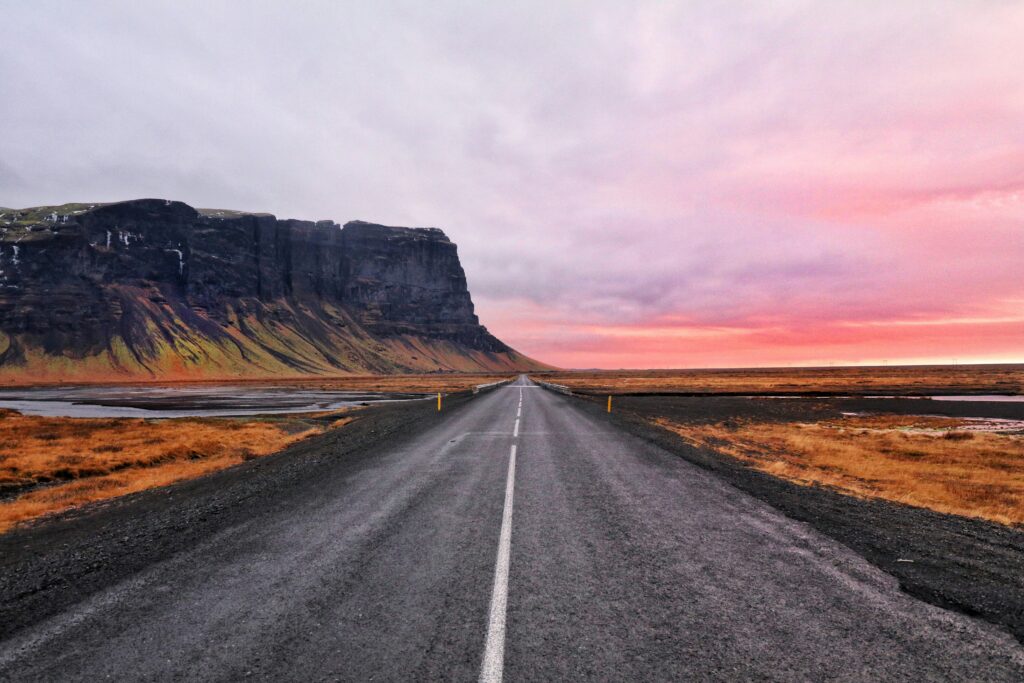
Dreaming of exploring Iceland’s breathtaking landscapes in one unforgettable journey? The Ring Road, also known as Route 1, is the ultimate road trip that takes you around the entire island, connecting Iceland’s most famous attractions, charming villages, glaciers, waterfalls, volcanoes, black sand beaches, and geothermal hot springs. Stretching approximately 1,332 kilometers (828 miles), the Ring Road offers travelers the freedom to experience Iceland’s incredible natural beauty at their own pace. Whether you’re planning a week-long adventure or a leisurely 10-day vacation, this guide covers everything first-time travelers need to know, including the best itinerary, must-visit attractions, travel costs, driving tips, and practical advice for an unforgettable Iceland road trip.
What is Iceland’s Ring Road?
The Ring Road (Route 1) is Iceland’s main highway that circles the entire country. It connects nearly all major towns and many of Iceland’s top attractions, making it the most popular route for visitors. The road is paved for almost its entire length and is suitable for regular rental cars during most of the year.
Driving the Ring Road allows you to experience Iceland’s incredible diversity—from waterfalls and glaciers to lava fields, volcanic craters, geothermal areas, fjords, and picturesque fishing villages.
Why Drive the Ring Road?
A Ring Road trip offers the perfect combination of flexibility and adventure. Unlike guided tours, a self-drive journey lets you stop whenever you want to admire the scenery, take photographs, or discover hidden gems along the way.
Highlights include:
-
- Magnificent waterfalls
-
- Black sand beaches
-
- Glacier lagoons
-
- Volcanoes
-
- Ice caves
-
- Geothermal hot springs
-
- Charming villages
-
- Whale watching
-
- Northern Lights (winter)
-
- Midnight Sun (summer)
Every day on the Ring Road brings a completely different landscape.
Best Time to Drive the Ring Road
Summer (June–August)
Summer is considered the best season for first-time visitors.
Advantages
-
- Long daylight hours
-
- Easy driving conditions
-
- All attractions accessible
-
- Perfect weather for hiking
-
- Puffin watching
-
- Camping opportunities
Average temperature:
10°C–15°C
Winter (November–March)
Winter offers magical scenery but requires more careful driving.
Advantages
-
- Northern Lights
-
- Ice cave tours
-
- Snow-covered landscapes
-
- Fewer tourists
Winter driving is recommended only for experienced drivers because snowstorms and icy roads are common.
Spring & Autumn
These seasons offer fewer crowds, lower hotel prices, and beautiful scenery while still providing relatively comfortable driving conditions.
Suggested 7-Day Ring Road Itinerary
Day 1: Reykjavik & Golden Circle
Explore Iceland’s capital before driving the famous Golden Circle route.
Visit:
-
- Hallgrímskirkja Church
-
- Thingvellir National Park
-
- Geysir Geothermal Area
-
- Gullfoss Waterfall
Overnight:
Selfoss
Day 2: South Coast
Continue toward Iceland’s spectacular South Coast.
Top attractions:
-
- Seljalandsfoss Waterfall
-
- Skógafoss Waterfall
-
- Sólheimajökull Glacier
-
- Reynisfjara Black Sand Beach
-
- Vik Village
Overnight:
Vik
Day 3: Glacier Lagoons
Drive through some of Iceland’s most dramatic landscapes.
Visit:
-
- Skaftafell Nature Reserve
-
- Jökulsárlón Glacier Lagoon
-
- Diamond Beach
Optional:
-
- Glacier hiking
-
- Boat tour
Overnight:
Höfn
Day 4: East Fjords
The East Fjords offer peaceful coastal scenery, fishing villages, and winding mountain roads.
Recommended stops:
-
- Djúpivogur
-
- Seyðisfjörður
-
- Scenic viewpoints
Overnight:
Egilsstaðir
Day 5: North Iceland
Explore Iceland’s geothermal wonders.
Visit:
-
- Lake Mývatn
-
- Hverir Geothermal Area
-
- Dimmuborgir Lava Fields
-
- Goðafoss Waterfall
Overnight:
Akureyri
Day 6: North to West Iceland
Highlights:
-
- Whale watching (optional)
-
- Icelandic horse farms
-
- Scenic valleys
Overnight:
Borgarnes
Day 7: Return to Reykjavik
Before your flight, relax at:
-
- Blue Lagoon
or
- Blue Lagoon
-
- Sky Lagoon
Return your rental car and enjoy your final evening in Reykjavik.
Must-Visit Attractions Along the Ring Road
Reykjavik
Iceland’s colorful capital city filled with museums, cafés, and iconic landmarks.
Golden Circle
-
- Thingvellir National Park
-
- Gullfoss
-
- Geysir
South Coast
-
- Seljalandsfoss
-
- Skógafoss
-
- Reynisfjara Beach
-
- Vik
Vatnajökull National Park
Europe’s largest glacier and home to glacier hikes and ice caves.
Diamond Beach
Sparkling glacier ice resting on black volcanic sand.
East Fjords
Beautiful coastal roads with charming fishing villages.
Lake Mývatn
A geothermal paradise featuring volcanic landscapes and hot springs.
Akureyri
Known as Iceland’s Capital of the North.
What to Pack
Iceland’s weather changes rapidly, even in summer.
Essential items include:
-
- Waterproof jacket
-
- Thermal layers
-
- Warm sweater
-
- Waterproof hiking boots
-
- Gloves
-
- Wool hat
-
- Camera
-
- Power bank
-
- Universal adapter
-
- Sunglasses
-
- Rain cover for backpack
Driving Tips
Driving in Iceland is generally easy, but preparation is important.
-
- Drive on the right-hand side.
-
- Headlights must remain on at all times.
-
- Always obey speed limits.
-
- Refuel whenever possible in remote areas.
-
- Check road conditions before leaving each morning.
-
- Keep emergency supplies in your vehicle.
Safety Tips
Nature in Iceland is beautiful but powerful.
-
- Never ignore warning signs.
-
- Stay away from sneaker waves at Reynisfjara Beach.
-
- Do not walk on glaciers without certified guides.
-
- Watch weather forecasts regularly.
-
- Stay on marked hiking trails.
- Carry warm clothing even on sunny days.
Food to Try During Your Road Trip
Some local favorites include:
-
- Icelandic Lamb Soup
-
- Fish and Chips
-
- Arctic Char
-
- Fresh Seafood
-
- Skyr Yogurt
-
- Cinnamon Rolls
-
- Icelandic Hot Dogs
Many roadside cafés and petrol stations also serve surprisingly good meals.
Travel Tips for First-Time Visitors
-
- Book hotels several months in advance during summer.
-
- Download offline Google Maps.
-
- Carry reusable water bottles—tap water is safe everywhere.
-
- Start driving early to avoid crowds at popular attractions.
-
- Keep extra memory cards for your camera—you’ll need them!
- Plan enough time for unexpected photo stops.
Frequently Asked Questions
How many days are needed?
A 7–10 day itinerary is perfect for first-time visitors.
Is the Ring Road suitable for beginners?
Yes. During summer, the roads are well maintained and suitable for most drivers.
Can I drive it in winter?
Yes, but winter driving requires experience and constant monitoring of weather and road conditions.
Is renting a car worth it?
Absolutely. A rental car offers maximum flexibility and allows you to explore Iceland at your own pace.
Is the Ring Road open year-round?
Yes, although weather conditions may temporarily affect some sections during winter storms.
Final Thoughts
Driving Iceland’s Ring Road is one of the most rewarding road trips in the world. From powerful waterfalls and black sand beaches to glacier lagoons, geothermal landscapes, charming villages, and the unforgettable Northern Lights, every kilometer offers a new adventure. Whether you’re visiting Iceland for the first time or returning to explore more of its natural beauty, the Ring Road promises an unforgettable journey filled with breathtaking scenery and lifelong memories. Plan ahead, drive safely, and enjoy every stop along one of the world’s most spectacular travel routes.